
Last updated on December 22nd, 2025 at 06:51 am
Nty meaning in text has become one of the most common phrases in modern texting. Many people wonder what it actually stands for and how to use it in everyday conversations. Understanding nty meaning in text can help you communicate more clearly with friends and online contacts.
If you’ve ever received a message with “nty” and felt confused, you’re not alone. Learning nty meaning in text is essential for keeping up with texting slang. By the end of this guide, you’ll know exactly how nty meaning in text works and when to use it naturally in chats.
Definition & Meaning
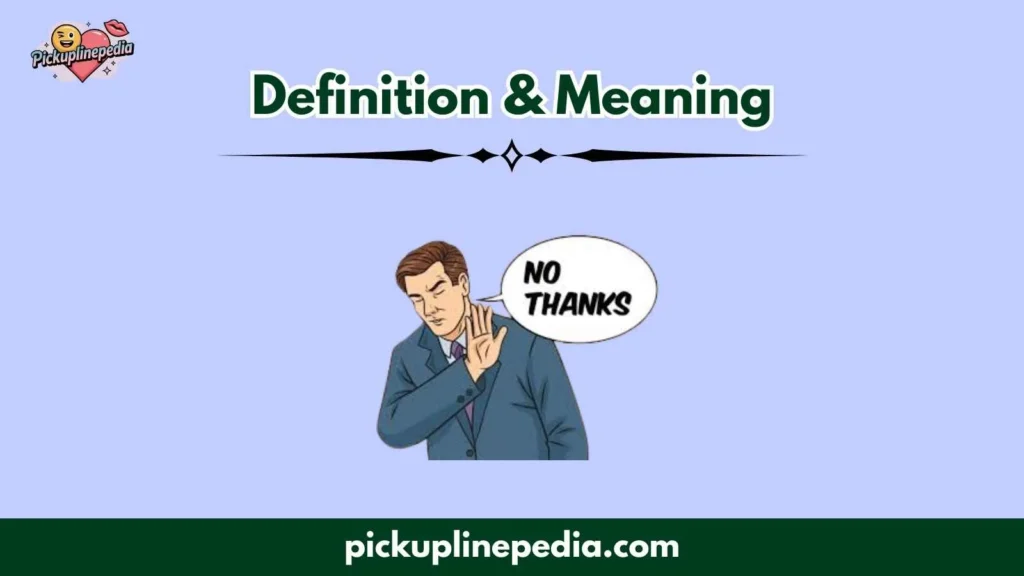
The term “nty” is shorthand for “no thank you”. It is a quick, casual way to decline an offer, invitation, or suggestion in digital communication. Unlike writing out the full phrase, “nty” is more efficient and fits well in fast-paced texting environments. Its tone can vary: it can be polite, neutral, or sometimes slightly curt depending on the context or relationship between the sender and receiver.
Background & History
Acronyms like “nty” emerged with the rise of SMS texting, where character limits encouraged brevity. As mobile phones evolved and instant messaging apps like WhatsApp, Messenger, and Snapchat became mainstream, abbreviations gained popularity. Users naturally developed shortcuts for frequently used phrases, and “nty” became a common, recognizable way to decline offers without typing a full response. Over time, it migrated into online communities, forums, and even casual emails.
Usage in Various Contexts
“Nty” can appear in many online settings:
- Casual texting: Rejecting an invitation or offer from a friend.
- Social media comments: Politely declining suggestions or recommendations.
- Dating apps: Refusing matches, dates, or propositions without being overly harsh.
- Gaming chats: Saying no to team strategies, trades, or requests in a concise way.
Its tone largely depends on the context. In personal chats, it may seem friendly; in more formal settings, it can appear dismissive if not used carefully.
Common Misconceptions & Clarifications
Some people confuse “nty” with negative expressions or rude shorthand. While brevity may sometimes feel abrupt, the acronym itself is neutral—it simply means “no thank you.” It’s not inherently offensive unless paired with other negative language or an aggressive tone.
Similar Terms & Alternatives
Several alternatives can be used in place of “nty”:
- No thanks – full, polite form.
- Nah – casual, informal rejection.
- Nvm – sometimes used to withdraw from a suggestion.
- Thx, but no – combines gratitude with a decline.
How to Respond to This Term
Responding to “nty” depends on the situation:
- Acknowledgment: A simple “Okay” or 👍 emoji works.
- Friendly tone: “No worries!” keeps it lighthearted.
- Professional tone: Avoid pressing the topic and move on politely.
Regional or Cultural Differences
In some cultures, even short declines can seem rude, so the perception of “nty” may vary globally. While common in Western texting habits, in more formal cultures, sending a full “No, thank you” is often preferred.
Comparison with Similar Terms
Compared to “nah”, “nty” is slightly more polite. Unlike “nope”, it conveys some level of courtesy. Understanding these subtle differences can help maintain positive communication online.
Usage in Online Communities & Dating Apps
On platforms like Tinder, Bumble, or Discord, “nty” is often used for quick rejections. Its brevity prevents long explanations and keeps interactions concise. In forums and comment sections, it’s frequently used to decline offers or opinions without engaging in extended discussion.
Hidden or Offensive Meanings
Generally, “nty” is not offensive. However, tone and context can change perceptions. If sent abruptly to someone expecting a detailed response, it might feel dismissive. Awareness of the recipient’s expectations is key to avoiding misunderstandings.
Suitability for Professional Communication
In professional emails or formal messaging, “nty” is usually inappropriate. Full phrases like “No, thank you” or polite refusals maintain professionalism and avoid being perceived as curt or dismissive.
FAQs:
What does nty mean in texting?
It stands for no thank you, used to politely decline something.
Is nty rude?
Not inherently, but it can feel curt depending on tone and context.
Can I use nty on dating apps?
Yes, it’s common for quick rejections or declining offers.
Is nty the same as nah?
Similar, but “nty” is slightly more polite than “nah.”
Should I use nty in work emails?
No, full phrases like “No, thank you” are more professional.
Where did nty originate?
It originated from SMS and online messaging as a shorthand for efficiency.
Conclusion:
Understanding nty meaning in text helps navigate modern digital communication with confidence.
While brief, it conveys politeness, efficiency, and casual tone.
Knowing when and how to use it—and when not to—prevents misunderstandings, whether you are texting friends, interacting on social media, or engaging in dating apps.
By keeping context, tone, and cultural nuances in mind, you can use nty effectively without offending anyone.
